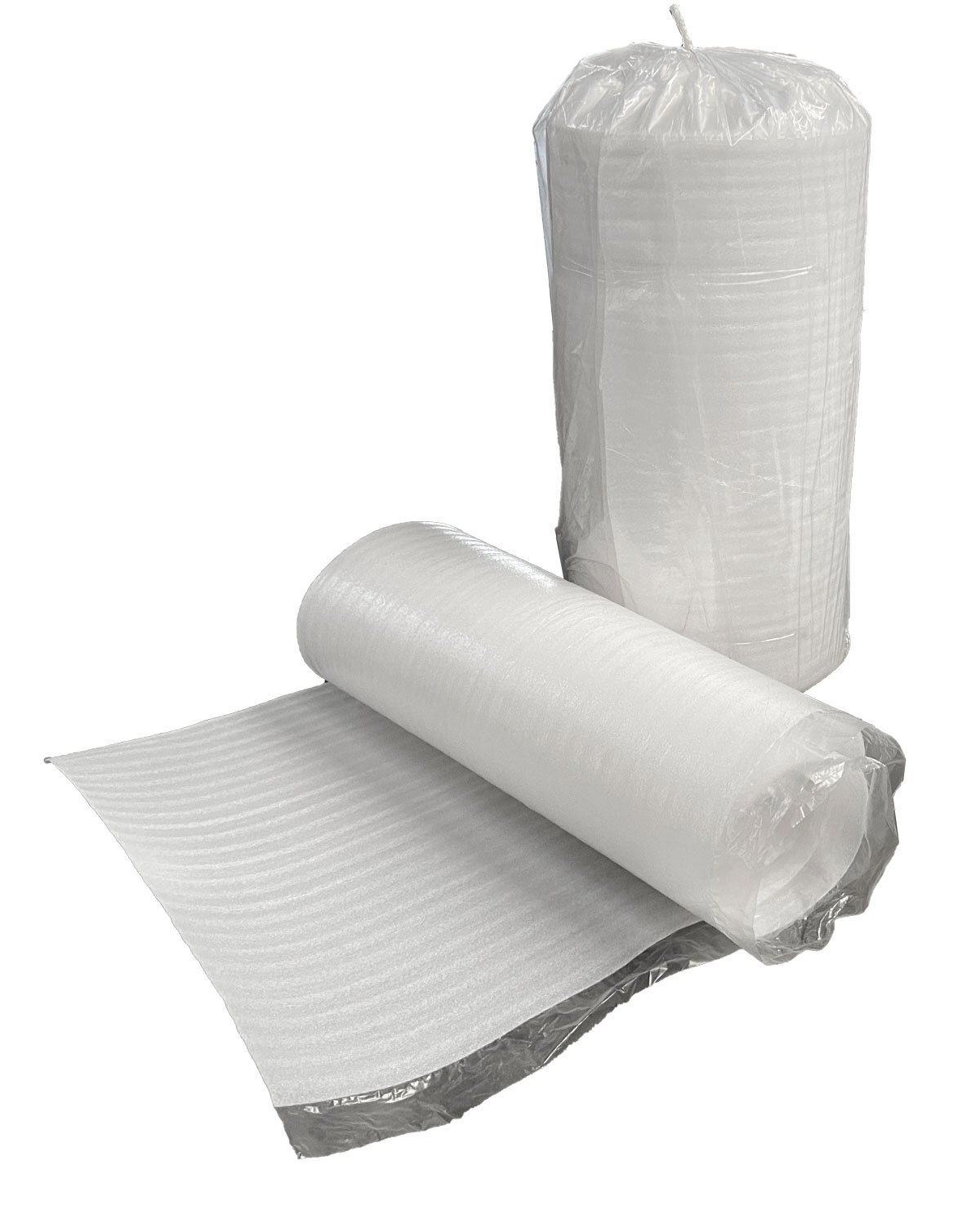
Combilay consists of 2 mm Aerothene laminated to a clear 80-micron virgin-plastic moisture membrane. It includes a 100 mm overlap that must be correctly sealed during installation.
Key features:
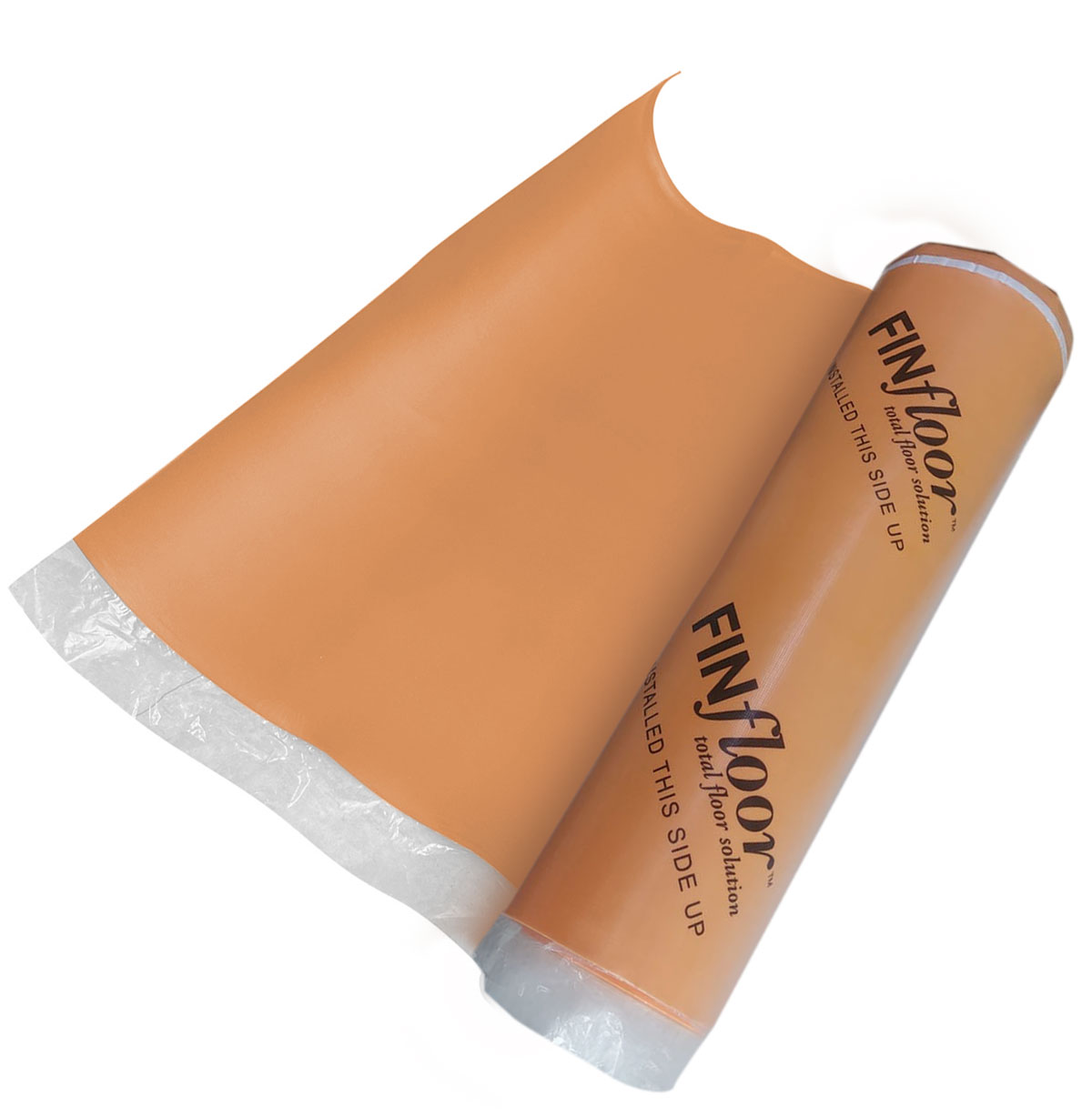
FINIXPE is manufactured from 2 mm high-performance irradiated cross-linked polyethylene foam. It includes an overlapping 80-micron HDPE vapour barrier and easy-peel tape to secure sealing.
Key features:
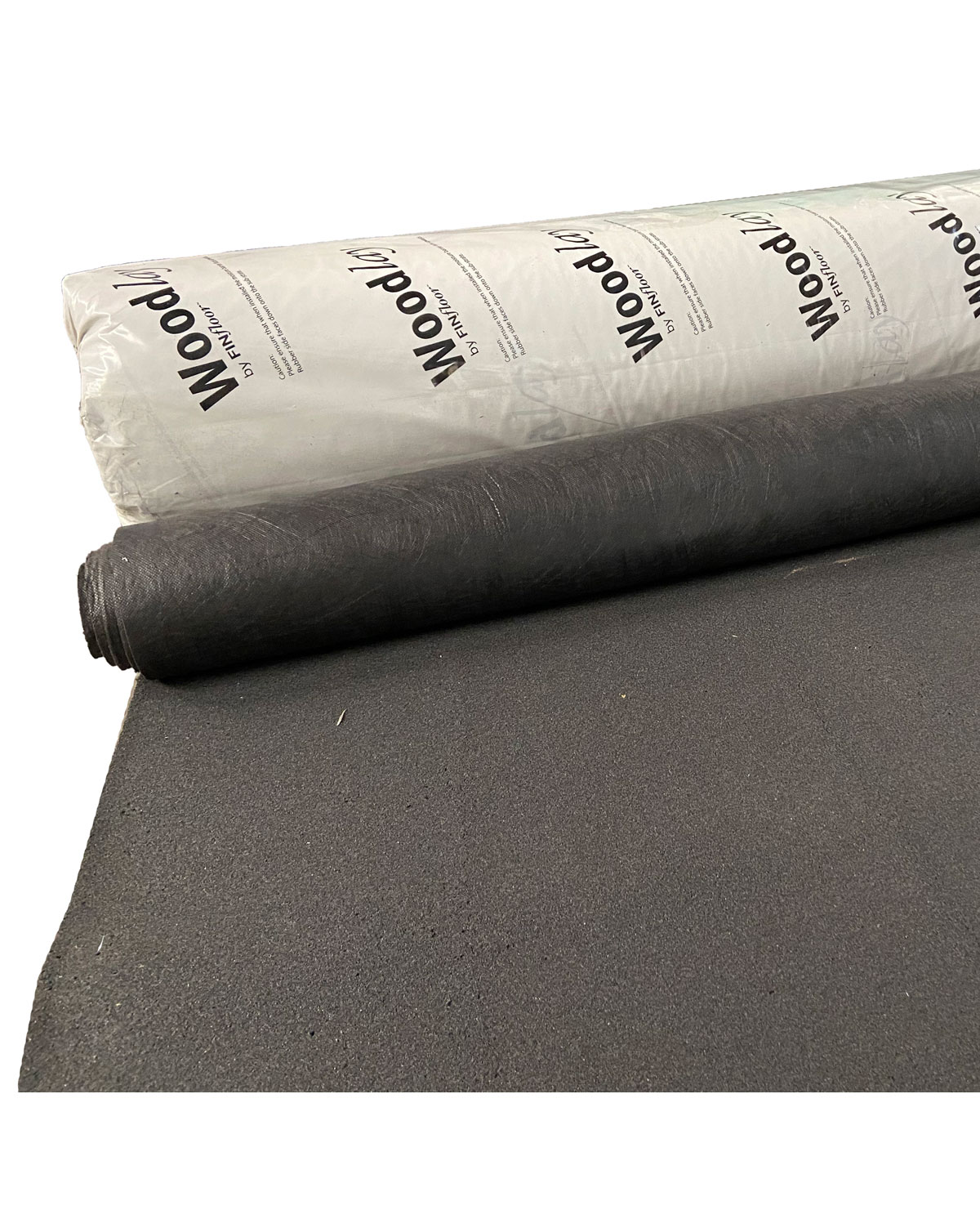
Woodlay is a durable combination underlay manufactured using selected recycled tyre material. The 2 mm rubber layer is laminated to a 300-micron virgin-plastic moisture membrane.
Key features:
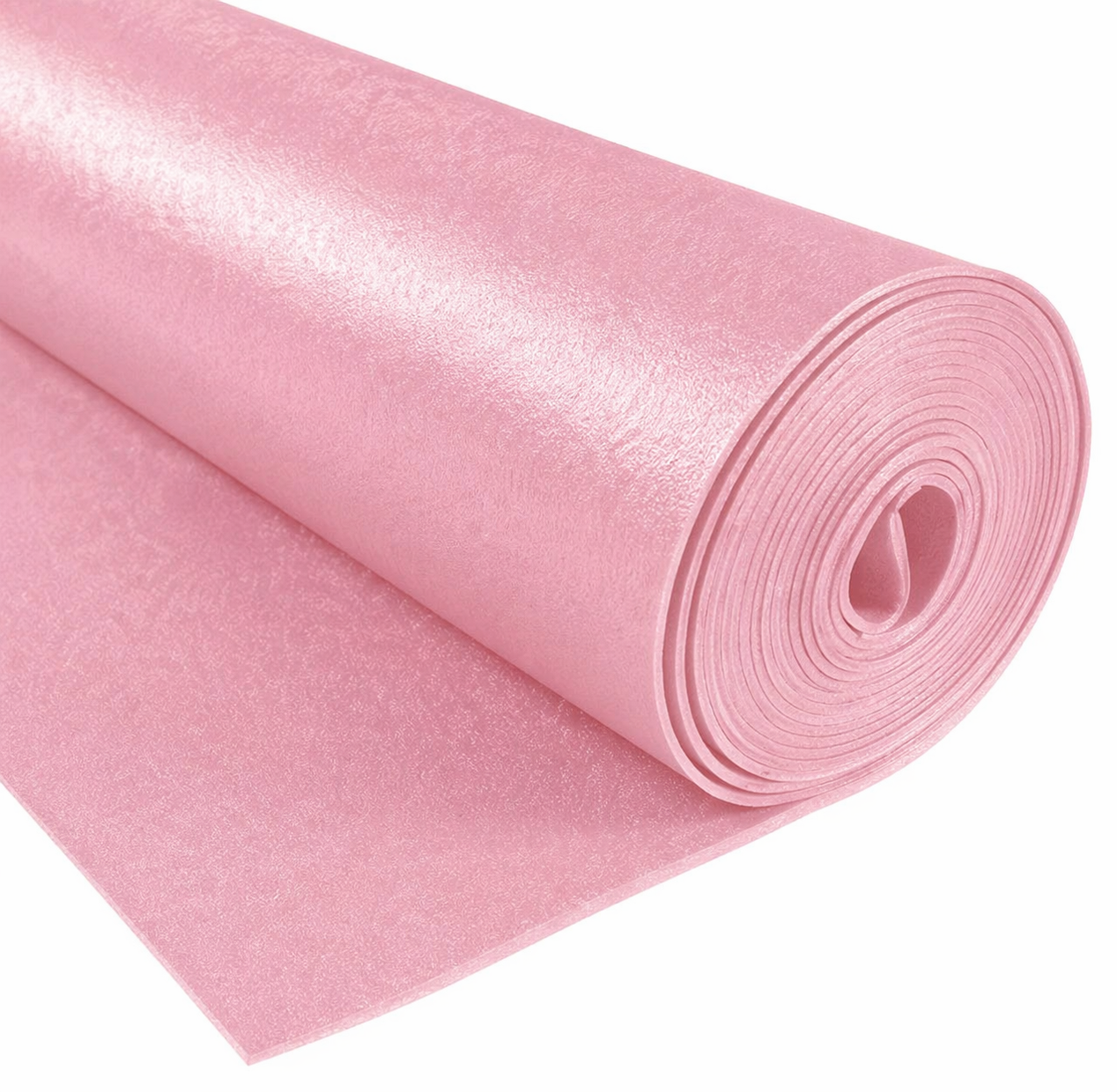
Spill Guard is an expanded-polyethylene foam carpet underlay designed to improve comfort and help protect the subfloor against moisture and everyday spills.
Key features:
Underlay is a thin layer of foam, rubber, felt or another specialised material installed between the subfloor and the finished flooring.
It is commonly used beneath floating laminate and engineered wood flooring. Glue-down flooring is generally installed directly onto a suitably prepared subfloor and does not normally require underlay.
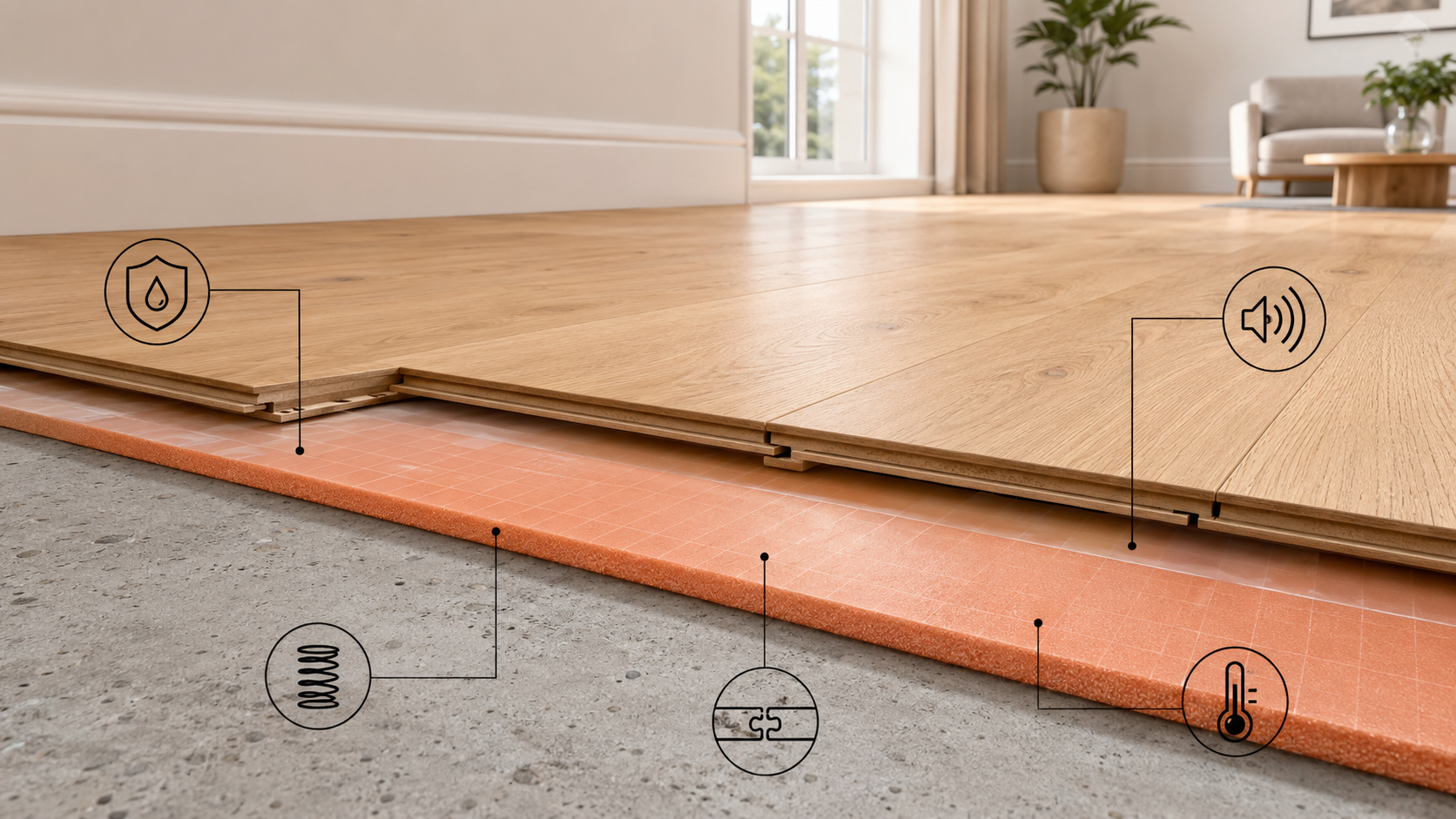
Depending on the product and installation requirements, underlay can provide:
Underlay cannot correct an uneven or unsuitable subfloor. The subfloor must always be level, clean, dry and properly prepared before installation.
depends on the flooring material, the room’s purpose, and the conditions of the subfloor.
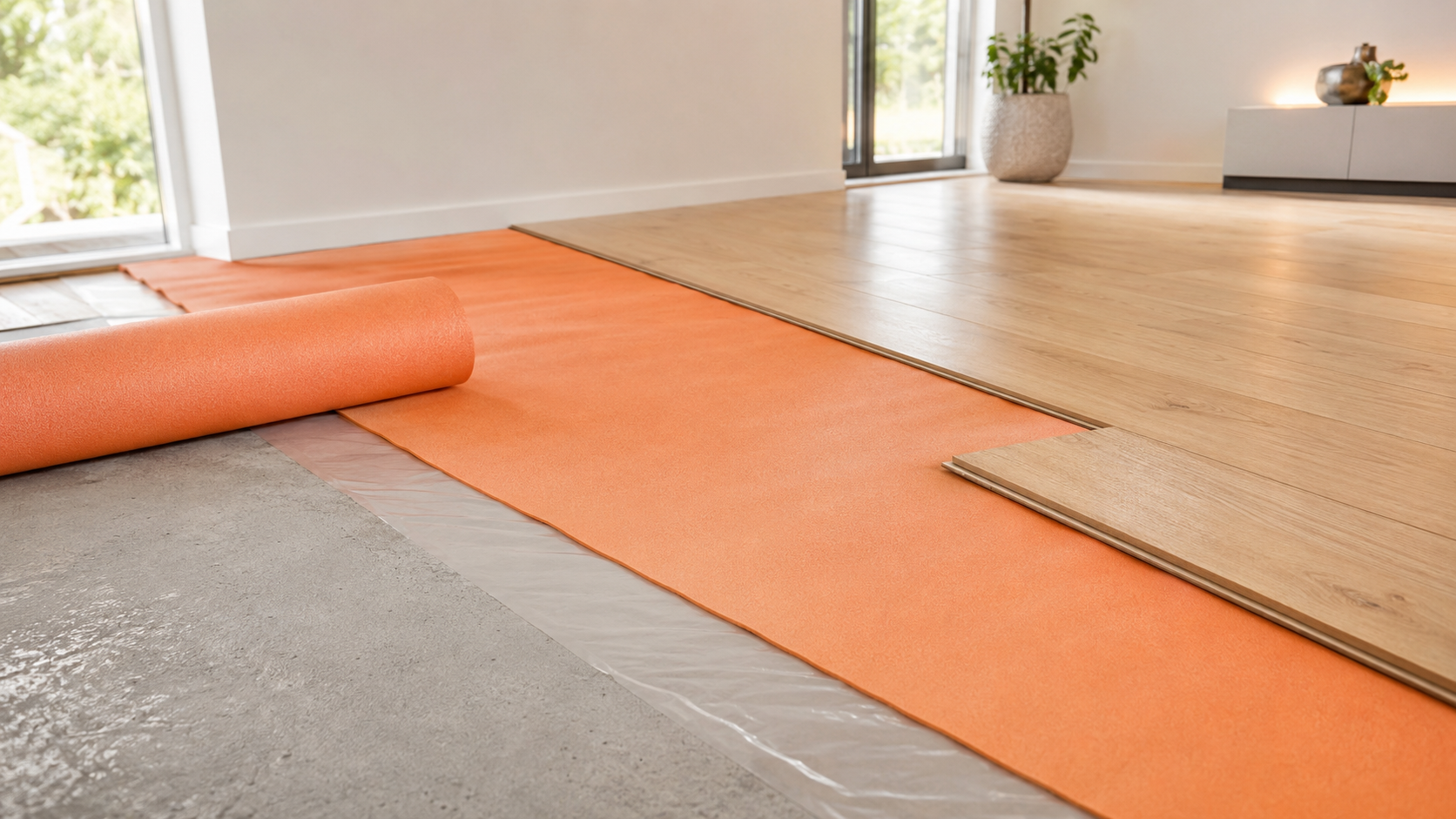
Floating flooring is not fixed directly to the subfloor. It therefore requires an approved underlay to create a stable and consistent supporting surface.
The correct underlay helps to:
Some flooring products have an underlay pre-attached to the planks. An additional cushioning underlay should only be installed if approved by the flooring manufacturer.
A separate moisture or vapour barrier may still be required, depending on the flooring, subfloor and installation instructions.
| Consideration | What to Check |
|---|---|
| Flooring type | Confirm whether the underlay is approved for laminate, engineered wood, SPC or carpet. |
| Installation method | Floating floors generally require underlay. Glue-down floors are normally installed directly onto the prepared subfloor. |
| Subfloor | Identify whether the flooring will be installed over concrete, screed, timber or an existing hard surface. |
| Moisture protection | Check whether an integrated or separate moisture-vapour barrier is required. |
| Acoustic requirements | Consider the required reduction in reflected walking noise and impact sound between floors. |
| Application | Select an underlay suitable for residential or commercial use and the expected traffic level. |
| Underfloor heating | Confirm that the underlay is compatible with the heating system and has suitable thermal resistance. |
| Flooring warranty | Follow the flooring manufacturer’s requirements for underlay thickness, density and compressive strength. |
Underlay must be installed according to the flooring and underlay installation instructions. Always confirm that the selected product is compatible with the flooring type, locking system, subfloor and intended application.
Moisture testing and correct subfloor preparation remain essential. Underlay does not replace a structural damp-proof membrane, correct an uneven subfloor or resolve an existing moisture problem.
Contact your nearest FINfloor dealer or representative for assistance selecting the correct underlay for your flooring and installation requirements.
Get More Information"*" indicates required fields